(513) 858-6040
 Secure File Upload
 Pay
Pay Client Center
Put Qualified Charitable Distributions to Work for Your Nonprofit
Kirsch CPA Group
Jul 28, 2025


Individuals with traditional IRAs generally are mandated to start taking required minimum distributions (RMDs) after they reach age 73. However, they have the option of making qualified charitable distributions (QCDs) to their favorite nonprofits to satisfy their RMDs. This tax allowance provides several benefits for donors and, of course, can be beneficial for charities.
History of QCDs
QCDs were first established by the Pension Protection Act of 2006. Their availability was extended several times, eventually becoming permanent as a result of the Protecting Americans from Tax Hikes Act of 2015. The Setting Every Community Up for Retirement Enhancement (SECURE) 2.0 Act upgraded QCDs by indexing annual distribution limits for inflation, starting in 2024. As a result, donors are now able to make greater QCD donations over time.
In 2025, eligible donors can transfer up to $108,000 per year directly to a qualified charity if they’re at least age 70½ ($216,000 for married couples filing jointly if both spouses are age 70½ or older). QCDs aren’t deductible, but they’re removed from taxable income and count toward RMDs, if applicable. QCDs can be especially beneficial to taxpayers who don’t have enough total itemized deductions to benefit from claiming the charitable deduction or whose deduction would be reduced due to adjusted gross income limits.
Split-Interest Entities
The SECURE 2.0 Act also provided donors with a new way to make QCDs: through a split-interest entity — a charitable remainder unitrust (CRUT), charitable gift annuity (CGA) or charitable remainder annuity trust (CRAT). Split-interest entities generally allow donors to make gifts while also creating income streams for themselves. After a designated period of time, the balance goes to their named charities.
These QCDs are subject to a lower limit but still adjusted annually for inflation. The 2025 limit is $54,000. Spouses can each make a donation to the same split-interest entity to double a gift. However, taxpayers are limited to one such distribution per lifetime, and only a donor and donor’s spouse can be income beneficiaries.
The split-interest entity must pay a 5% minimum fixed percentage for the life of the donor or the donor’s spouse, and those payments must begin within one year of funding. The payments are taxed as ordinary income to the beneficiary.
Educating Donors
Your nonprofit’s current and prospective donors may not know about the QCD option or recent enhancements to it. So be sure to prepare an educational brochure and post information on your website about the possible benefits to donors. Contact Kirsch CPA Group for help.
Schedule an appointment to learn how we can support you
© Copyright 2025. All rights reserved.
More Resources
About The Author
Kirsch CPA Group is a full service CPA and business advisory firm helping businesses and organizations with accounting,…
Sign Up for Email Updates
Tags
Accounting & Financial News
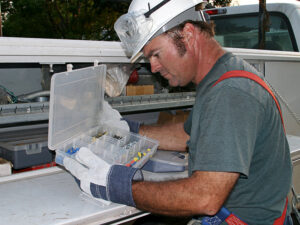
Client Success Story: Contractor Finds the Support He Needs to Return to His Entrepreneurial Goals
The owner of a small commercial contracting firm was working all the time but not getting any closer to his…

Are All of Your Customers Profitable for Your Business?
Every business needs customers to survive. Owners typically spend a lot of time and energy trying to attract customers to…

The Build-Buy-Borrow Approach Can Stabilize Manufacturers’ Workforce Planning
Manufacturers face a growing challenge: finding the talent needed to stay competitive in an environment defined by…